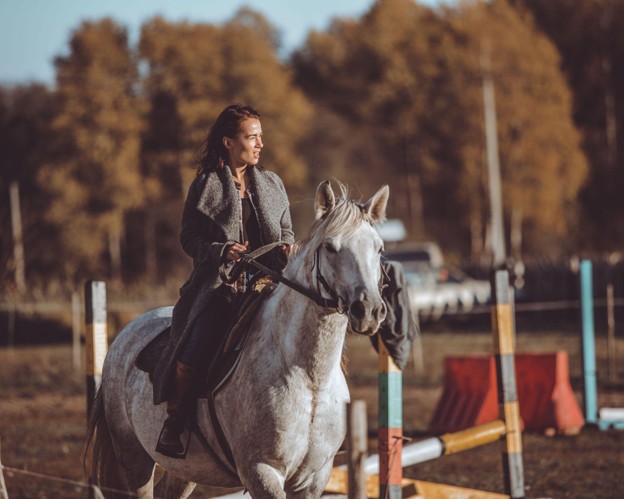
While competition days often capture the spotlight, Freddie Vasquez Jr. explains that true horsemanship is built during the countless hours spent outside the show ring. The quiet days of consistent riding, attentive care, patient communication, and thoughtful preparation shape the partnerships that eventually perform with confidence under pressure. Although ribbons and rankings reflect a single performance, they rarely reveal the daily commitment required to reach that point.
Exceptional horsemanship is not defined by isolated moments of success. It is measured by the habits, decisions, and relationships developed long before the first jump is taken or the competition begins.
Every day’s work creates success in competition.
Competition represents only a small portion of a horse’s overall development.
Most progress happens through ordinary days spent:
- Schooling in fundamental skills
- Improving communication
- Building fitness
- Developing consistency
- Strengthening trust
These daily efforts often have a greater influence on long-term performance than any individual competition.
Building Trust Takes Time
Every successful horse-and-rider partnership begins with trust.
Trust develops gradually through consistent experiences that allow both horse and rider to better understand one another.
This foundation grows through:
- Clear communication
- Predictable routines
- Patient guidance
- Calm handling
- Mutual respect
Unlike technical skills that may improve relatively quickly, trust cannot be rushed or forced.
Small Improvements Matter
Progress in equestrian sport often comes from incremental gains rather than dramatic breakthroughs.
Improvement may involve:
- More balanced transitions
- Better rhythm
- Increased relaxation
- Smoother communication
- Greater confidence
These subtle advancements may seem insignificant from one day to the next, but together they create meaningful long-term development.
Horsemanship Extends Beyond Riding
Great horsemanship involves much more than time spent in the saddle.
Daily care contributes significantly to a horse’s physical and mental well-being.
Important responsibilities include:
- Grooming
- Nutrition
- Conditioning
- Recovery
- Observation
- Routine health care
Paying close attention to these details helps support a horse’s comfort while strengthening the overall partnership.
Consistency Creates Confidence
Horses naturally respond well to consistency.
Regular routines provide structure that allows them to understand expectations while feeling secure in familiar environments.
Consistent habits may include:
- Similar warm-up routines
- Regular exercise schedules
- Clear riding aids
- Thoughtful progression
- Appropriate rest
Confidence often develops when horses know what to expect from both their environment and their rider.
Learning Never Stops
One characteristic shared by accomplished riders is their willingness to continue learning.
Every ride offers new opportunities to improve.
Experienced horsemen often evaluate:
- Timing
- Balance
- Position
- Communication
- Decision-making
- Adaptability
Viewing every experience as part of an ongoing education encourages continual growth regardless of competition level.
Challenges Are Part of Development
Every equestrian partnership encounters setbacks.
Unexpected mistakes, difficult training sessions, or disappointing competition results can all become valuable learning experiences.
Instead of focusing solely on outcomes, riders benefit from asking:
- What did today’s experience teach?
- How can communication improve?
- What adjustments should be made next time?
This mindset transforms challenges into opportunities for continued development.
Respect Strengthens Partnership
Successful horsemanship is built upon respect.
Respect means recognizing each horse as an individual with unique abilities, personality traits, and learning preferences.
Thoughtful riders remain attentive to:
- Physical condition
- Mental readiness
- Confidence levels
- Recovery needs
- Individual pace of development
This approach encourages responsible decision-making throughout a horse’s career.
Preparation Happens Long Before Competition
Strong performances are rarely the result of last-minute effort.
Preparation develops gradually through consistent habits established over weeks, months, and years.
This preparation often includes:
- Physical conditioning
- Skill refinement
- Mental preparation
- Exposure to new environments
- Steady progression
When competition day arrives, horse and rider rely on the confidence built through consistent preparation rather than hoping for immediate success.
Patience Creates Long-Term Success
Modern sports often celebrate rapid improvement.
Equestrian sport reminds us that meaningful progress usually requires patience.
Allowing horses adequate time to mature physically and mentally supports sustainable development while helping avoid unnecessary setbacks.
Patience also encourages riders to focus on long-term goals instead of immediate results.
Strong Partnerships Extend Beyond the Arena
One of the most rewarding aspects of horsemanship is the relationship that develops over time.
The strongest partnerships are often characterized by:
- Mutual trust
- Calm communication
- Reliability
- Adaptability
- Shared confidence
These qualities continue benefiting both horse and rider regardless of competition outcomes.
Measuring Success Differently
Competition results remain meaningful, but they represent only one measure of achievement.
Equally important indicators include:
- Improved confidence
- Better communication
- Consistent progress
- Responsible horsemanship
- Positive daily experiences
When viewed through this broader perspective, success becomes something built continuously rather than achieved only on competition day.
A Lifelong Commitment to Growth
Horsemanship is not a destination but an ongoing journey.
Each ride, each lesson, and each interaction contributes to a deeper understanding of both horse and rider. The process rewards patience, humility, and a willingness to improve one step at a time.
Those who embrace this mindset often discover that the greatest achievements are not limited to competition results but are reflected in the strength of the partnership they build over the years.
Final Thoughts
Great horsemanship is measured between competitions because that is where lasting partnerships are developed. Daily care, consistent training, thoughtful communication, and genuine respect create the trust and confidence that support successful performances when it matters most.
While competitions provide valuable milestones, they represent only a small part of a much larger journey. Riders who invest in the everyday moments of learning, listening, adapting, and growing alongside their horses build partnerships capable of sustained success. In the end, true horsemanship is defined not by a single result but by the character, patience, and dedication demonstrated every day outside the arena.